
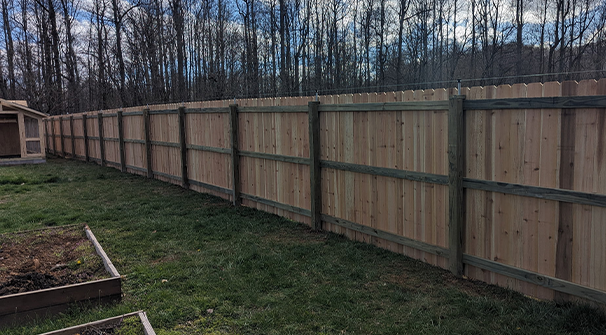
Fence repairs seem simple until they aren’t. A loose post, a sagging gate, or rusted fasteners can snowball into full panel replacements and property headaches. These common fence repair mistakes that cost you more usually come from rushing, guessing, or using the wrong materials for your yard’s conditions. This guide breaks down each mistake, shows you how to avoid it, and helps you decide when to call a pro. You’ll save time, protect your property, and keep your fence looking sharp for years.
Mistake #1: Ignoring Wobbly or Rotted Posts
A fence stands or falls with its posts. If posts wobble, lean, or show soft, dark, or crumbly wood, your fence is already failing. Many homeowners tighten rails or add extra screws, but that only masks the real problem. Water collects around post bases, rotting wood, or corroding metal. Freeze–thaw cycles and wind loads then magnify the damage. Left unchecked, you’ll replace panels, rails, and gates—turning a small fix into a major bill.
Signs Your Posts Are Failing (and What They Mean)
- Mushroomed or soft wood at grade: Rot and fungal decay—moisture is trapped.
- Leaning panels after storms: Likely shallow footings or soil heave.
- Loose rails or cracked brackets: The post is shifting; the hardware is bearing the load.
- Ponding at posts: Poor drainage guarantees early failure.
Best Practice: Deep Footings, Proper Drainage, Quality Mix
Set posts below the frost line with a bell-shaped footing, use well-draining gravel at the base, and crown the top of the concrete to shed water. For wood, use ground-contact rated lumber. For metal, choose powder-coated or galvanized posts. This approach may cost a bit more today, but it prevents the kind of movement that leads to panel and gate replacement.
Mistake #2: Using the Wrong Materials and Fasteners
It’s tempting to grab the cheapest screws or “whatever’s on hand.” Unfortunately, mixing metals or using low-grade fasteners invites rust and staining, while undersized hardware loosens under normal wind loads. Mismatched materials—like softwood rails with heavy steel pickets, also strain connections.
Galvanized vs. Coated Hardware (and When It Matters)
- Galvanized (zinc-coated): Solid baseline corrosion resistance for most climates.
- Hot-dip galvanized: Thicker coating for salty or coastal environments.
- Stainless steel: Best corrosion resistance; pricier but ideal for ocean air.
- Polymer-coated screws: Good for treated lumber; reduces chemical reactions and streaking.
Matching Materials to Climate and Soil
Clay-heavy soil holds water; sand drains quickly. High-salt areas chew through unprotected metal. Choose posts, panels, and fasteners that suit your region. For wood, pick species and treatment levels meant for ground contact. For vinyl, ensure UV stabilizers. For chain-link, specify a heavier gauge and quality coatings.
Mistake #3: Poor Panel Alignment and Leveling
A fence can be sturdy yet still look “off.” Uneven panel heights, inconsistent gaps, and misaligned rails reduce curb appeal and create stress points. Gates drag. Hinges twist. Fasteners work loose. Over time, the fence looks tired—and starts to fail.
The Hidden Costs of “Good Enough”
Visual flaws are more than cosmetic. A racked panel loads hardware unevenly, causing premature wear. A gate that’s a hair out of square will sag, scrape, and eat through hinges and latches.
How to Set String Lines and Spacing Like a Pro
- Stretch tight string lines for top and face alignment before setting posts.
- Use a story pole or spacer blocks for consistent picket gaps.
- Check level and plumb twice—before concrete cures.
- Dry-fit gates, then pre-drill hardware holes to avoid splitting.
Mistake #4: Skipping Prep, Permits, Property Lines, and Utilities
Repairing or moving posts without confirming property lines is risky. A “quick fix” that crosses a boundary can lead to disputes, fines, or forced removal. Likewise, digging without utility locates can damage lines, a dangerous and expensive mistake.
Boundary Disputes and Code Violations
Check local codes for height limits, required setbacks, and material restrictions. Some cities require permits for structural repairs or replacements. Verify lot lines with a survey or municipal records, cheaper than relocating a finished fence.
Call-Before-You-Dig and Safety Prep
Always contact your local utility marking service before digging. Wear PPE and brace panels before removing structural elements and stage materials so the fence remains supported throughout the repair.
Helpful resource: See general fence inspection guidance from InterNACHI for common defects and considerations.
Mistake #5: Neglecting Maintenance After the Repair
Repairs are a fresh start, not the finish line. Without maintenance, moisture, sun, and movement return, undoing your hard work.
Seasonal Checklist: Wood, Vinyl, Aluminum, and Chain-Link
- Wood: Inspect stain/seal yearly; check for green growth and soft spots.
- Vinyl: Wash with mild soap; inspect for cracks after freezes.
- Aluminum: Tighten brackets; check powder coat for chips.
- Chain-link: Look for loose ties, rust at the bottom rails, and tension issues.
Staining, Sealing, Cleaning, and Hardware Checks
Reapply stain or sealant every 2–3 years (or as product directs). Clean debris at grade, trim vegetation for airflow, and retighten gate hardware. Simple routines help you avoid these common fence repair mistakes that cost you more, becoming an annual tradition.
Quick Reference Table: Cheap Fix vs. Smart Fix
| Problem | Cheap Fix (Short-Term) | Smart Fix (Long-Term) |
| Wobbly post | Add screws/brace panel | Reset post below frost, gravel base, crowned concrete |
| Rusted fasteners | Paint over rust | Replace with stainless/hot-dip galvanized hardware |
| Sagging gate | Shim hinges | Re-square frame, upgrade hinges, add adjustable turnbuckle |
| Rot at grade | Fill with epoxy | Replace with ground-contact lumber or metal post + sleeve |
| Uneven panels | “Eyeball” heights | Use string lines, spacers, and a level before concrete cures |
When DIY Stops and Pro Help Starts
If posts shift after every storm, the ground heaves seasonally, or your property lines are unclear, it’s time to call a pro. Pros bring surveying insight, load calculations, the right mix for your soil, and hardware that won’t fail under local wind conditions. Most importantly, they warranty the work, something a Saturday experiment can’t do.
FAQs
1) What’s the fastest way to tell if my fence post is failing?
Push near the top of the post; if it moves at the base or the soil crumbles, it’s failing. Dark, soft wood at grade or standing water are also red flags.
2) How deep should fence posts go?
A common rule is one-third of the post length in the ground, but local frost depth and soil type matter more. Pros set posts below the frost line with proper drainage.
3) Can I mix stainless screws with galvanized brackets?
Mixing metals can trigger corrosion, especially in coastal areas. When possible, keep metals consistent or choose hardware designed for mixed use.
4) Do I really need permits for a repair?
Some areas require permits for structural repairs, height changes, or material swaps. Always check, penalties, and rework cost more than the permit.
5) How often should I stain a wood fence after repairs?
Typically, every 2–3 years, or sooner in harsh sun or wet climates. Clean first, let the wood dry, and follow the product’s directions.
6) My gate keeps sagging. What’s the fix?
Confirm the posts are plumb. Then square the frame, use heavier hinges, and add an adjustable turnbuckle or diagonal brace to hold alignment.
Conclusion
Fence repairs don’t have to drain your wallet. By avoiding shallow footings, cheap hardware, sloppy alignment, skipped prep, and poor maintenance, you’ll sidestep these common fence repair mistakes that cost you more and extend the life of your fence. When in doubt, bring in a pro who understands soil, loads, and local codes. Contact LeGrand Fence Contractors LLC today for reliable, code-compliant repairs that last, and get your fence back to safe, strong, and great-looking.